Keloids are raised, thickened scars that develop due to an overgrowth of collagen during the healing process. Unlike regular scars, keloids extend beyond the original wound, growing larger over time and sometimes causing pain, itching, or irritation. Keloid scar removal at Halvorson Plastic Surgery offers a safe, effective solution to restore smooth, natural-looking skin. Dr. Eric Halvorson, a board-certified plastic surgeon, provides advanced scar revision techniques to help patients achieve lasting relief from keloids.
What Causes Keloids?
Keloids can form after any type of skin trauma, including:
Surgical Incisions
Overproduction of scar tissue at the incision site
Ear Piercings & Injuries
Common in earlobes, leading to thick, raised scars
Burns or Acne Scars
Exaggerated healing response results in excessive tissue growth
Tattoos & Vaccination Sites
Some individuals are more prone to developing keloids in response to skin punctures
Keloids are more common in individuals with darker skin tones, affecting up to 10-15% of people with African, Asian, or Hispanic ancestry, according to the American Academy of Dermatology (AAD).
How Can a Plastic Surgeon Help with Keloid Scar Removal and Revision?
Keloids do not fade over time and often require specialized treatment for removal. Dr. Halvorson uses multiple techniques depending on the size, location, and severity of the keloid:
Surgical Excision
Removing the keloid with precise, meticulous techniques to minimize recurrence
Steroid Injections
Reducing inflammation and softening the scar to flatten keloid growth
Laser Therapy
Breaking down excess scar tissue while promoting smoother skin regeneration
Cryotherapy (Freezing)
Used for smaller keloids to shrink and eliminate raised tissue
Silicone Gel Therapy
Non-invasive scar treatment to prevent regrowth after removal
Expert Keloid Scar Revision in Asheville & Beyond
Patients from Asheville, Boone, Hendersonville, Hickory, and surrounding areas trust Dr. Halvorson for specialized keloid removal and advanced scar revision techniques.
Frequently Asked Questions About Keloid Scar Removal
Keloids have a high recurrence rate, but combining excision with steroid treatments and silicone therapy significantly reduces the risk.
The procedure is performed under local anesthesia, ensuring minimal discomfort.
Most patients recover within 2-4 weeks, depending on the treatment method used.
People prone to keloids should avoid unnecessary piercings, tattoos, or elective surgeries, and use pressure dressings or silicone sheets after wounds heal.
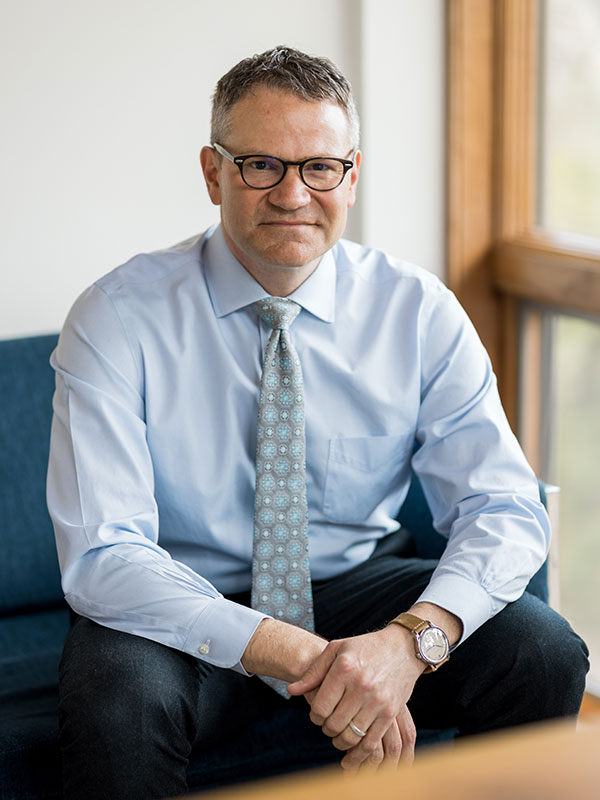
Meet Dr. Halvorson
I grew up in Maplewood, NJ and went to Bates College in Maine. I attended Duke University School of Medicine and completed a general surgery residency at Brown University where I was given the “outstanding chief resident” award. I then completed a plastic surgery residency at Lahey Clinic that included rotations at Brigham & Women’s Hospital, Children’s Hospital of Boston, and Maine Medical Center. Throughout my surgical training, my goal was to become the most comprehensive surgeon possible. To that end, I pursued a fellowship in microsurgery and breast reconstruction at Memorial Sloan-Kettering Cancer Center.
Restore Smooth, Natural-Looking Skin with Expert Keloid Scar Removal
If you’re struggling with stubborn, painful, or growing keloid scars, schedule a consultation with Dr. Halvorson to explore your personalized treatment options.